PETG or ASA in a car? Choosing filament by mounting location
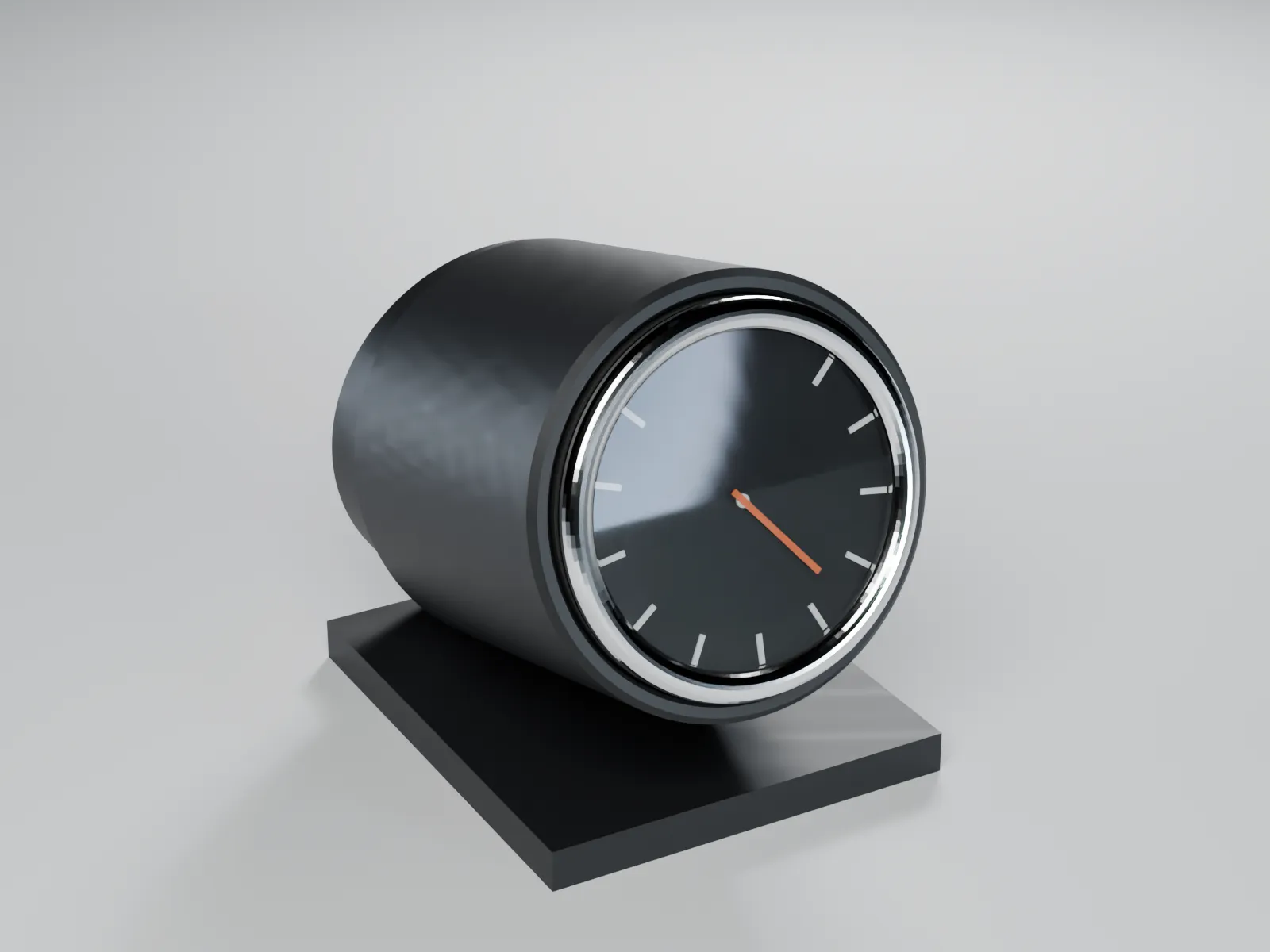
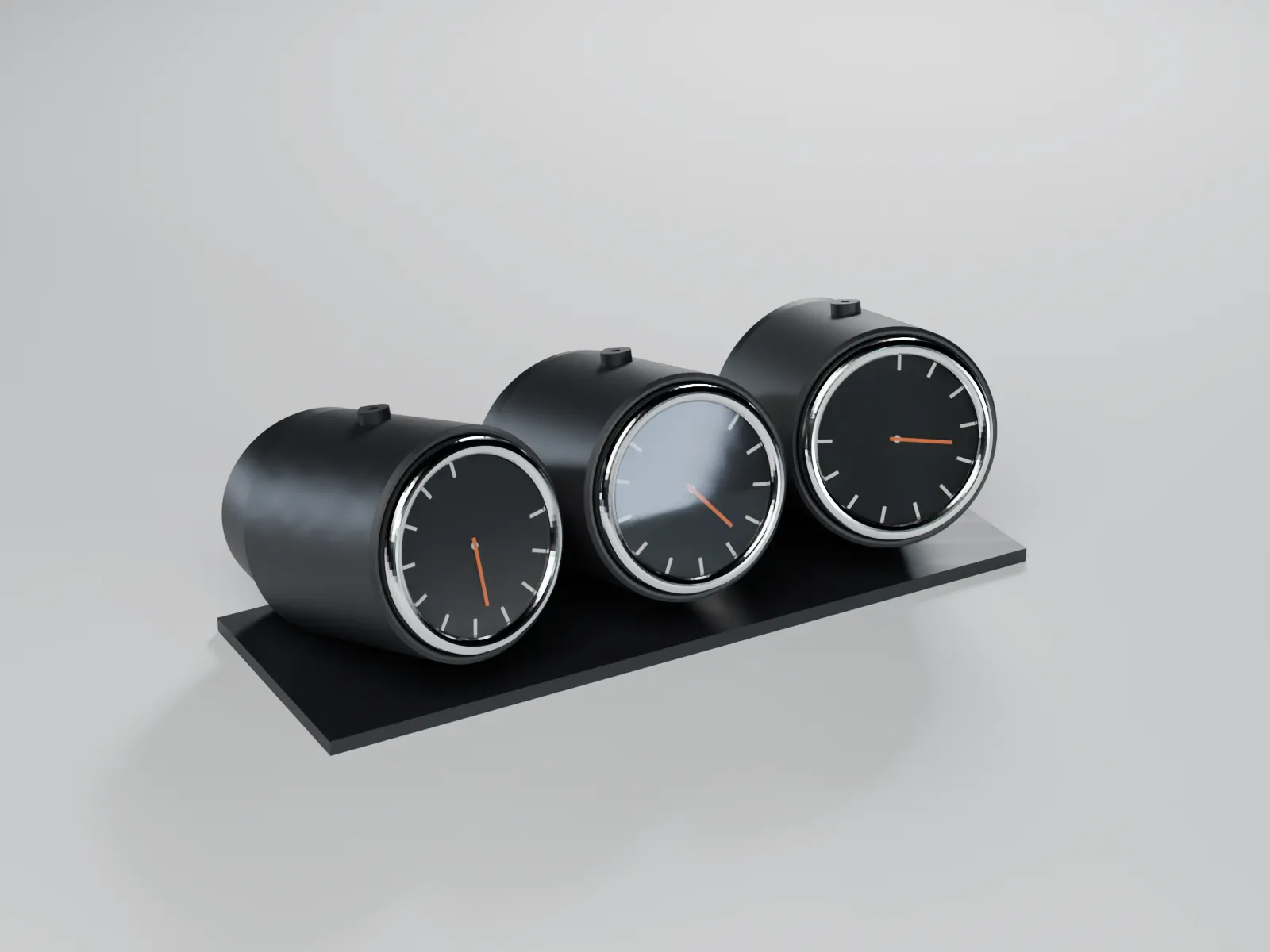
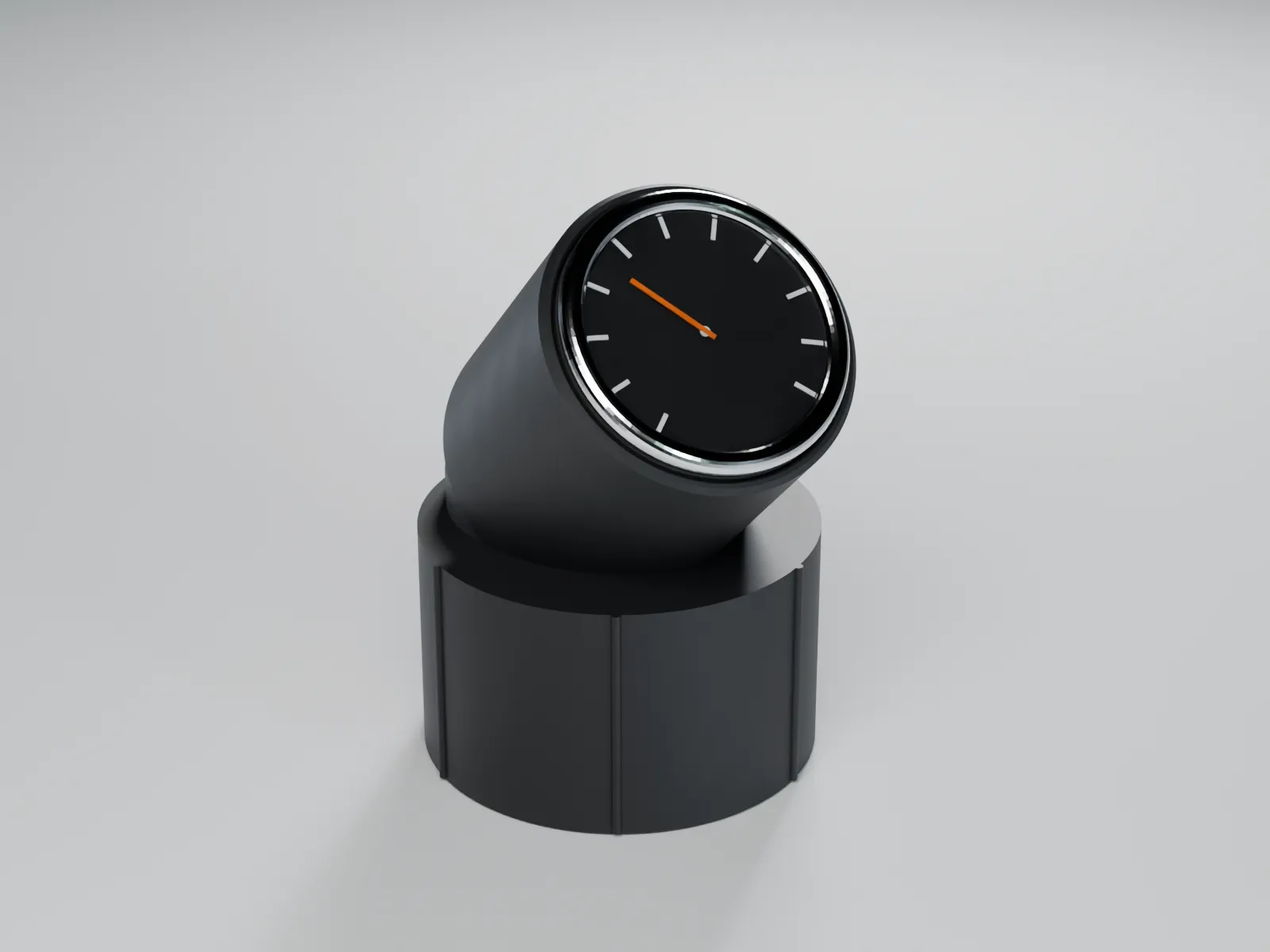
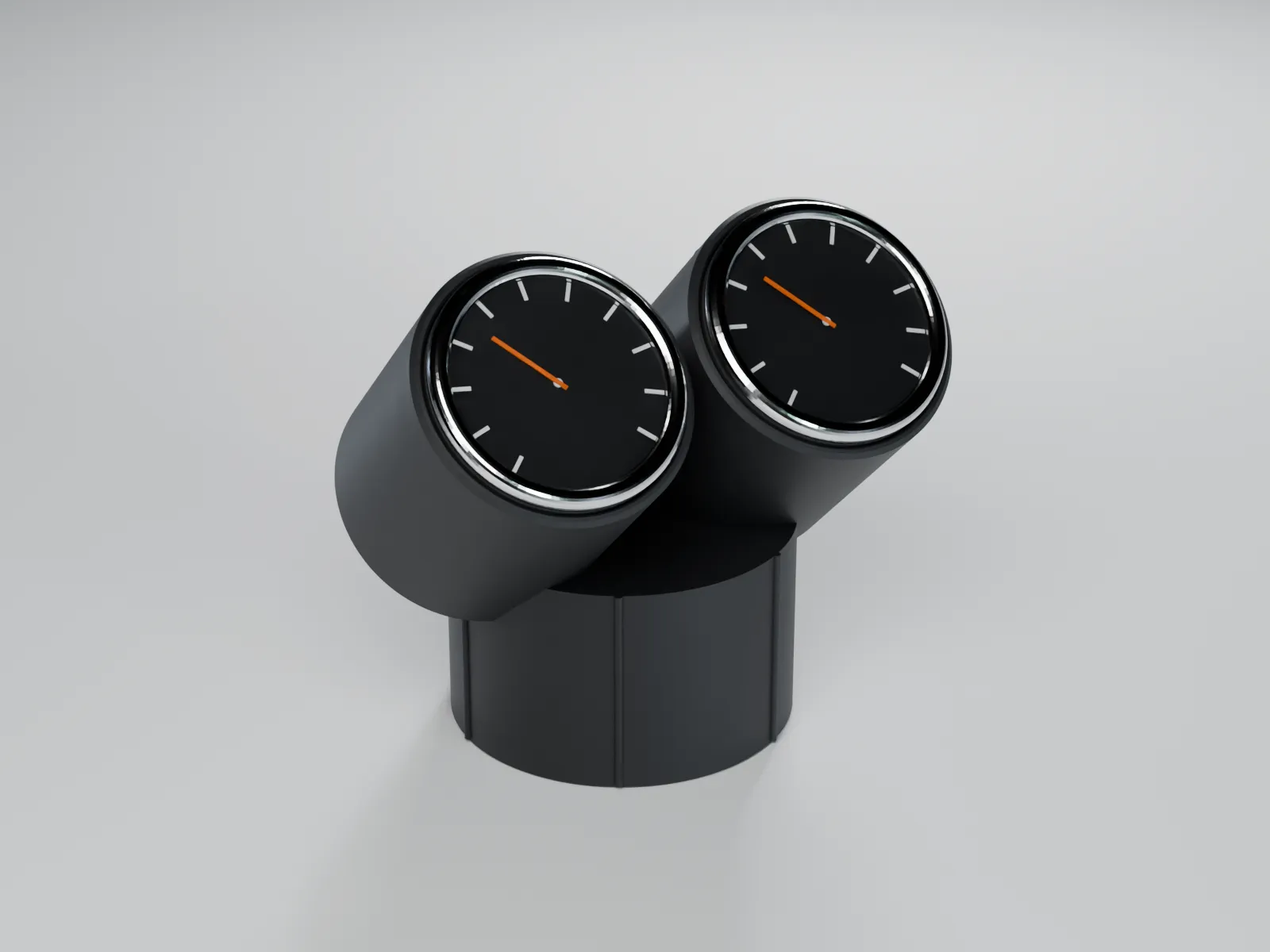
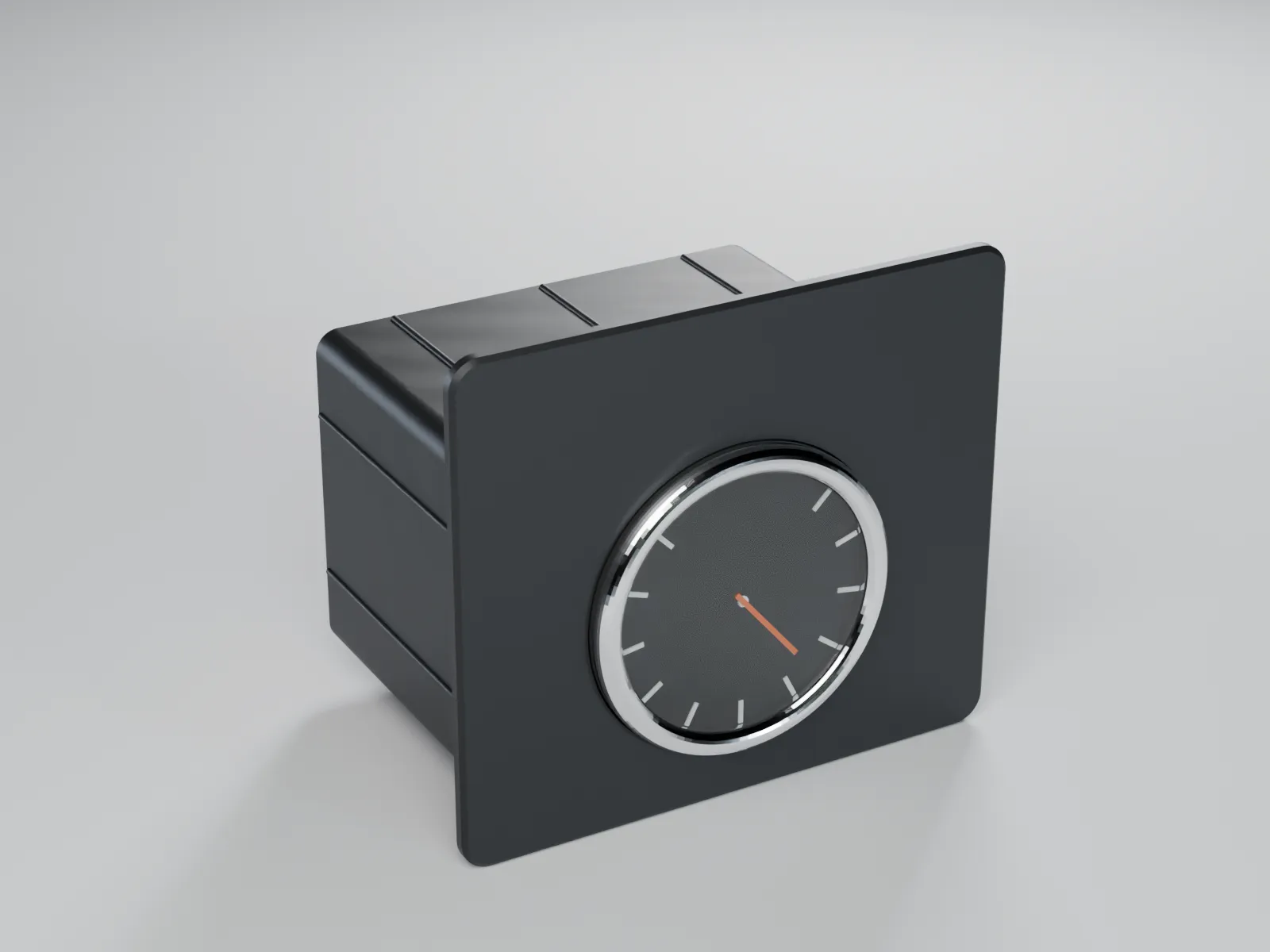
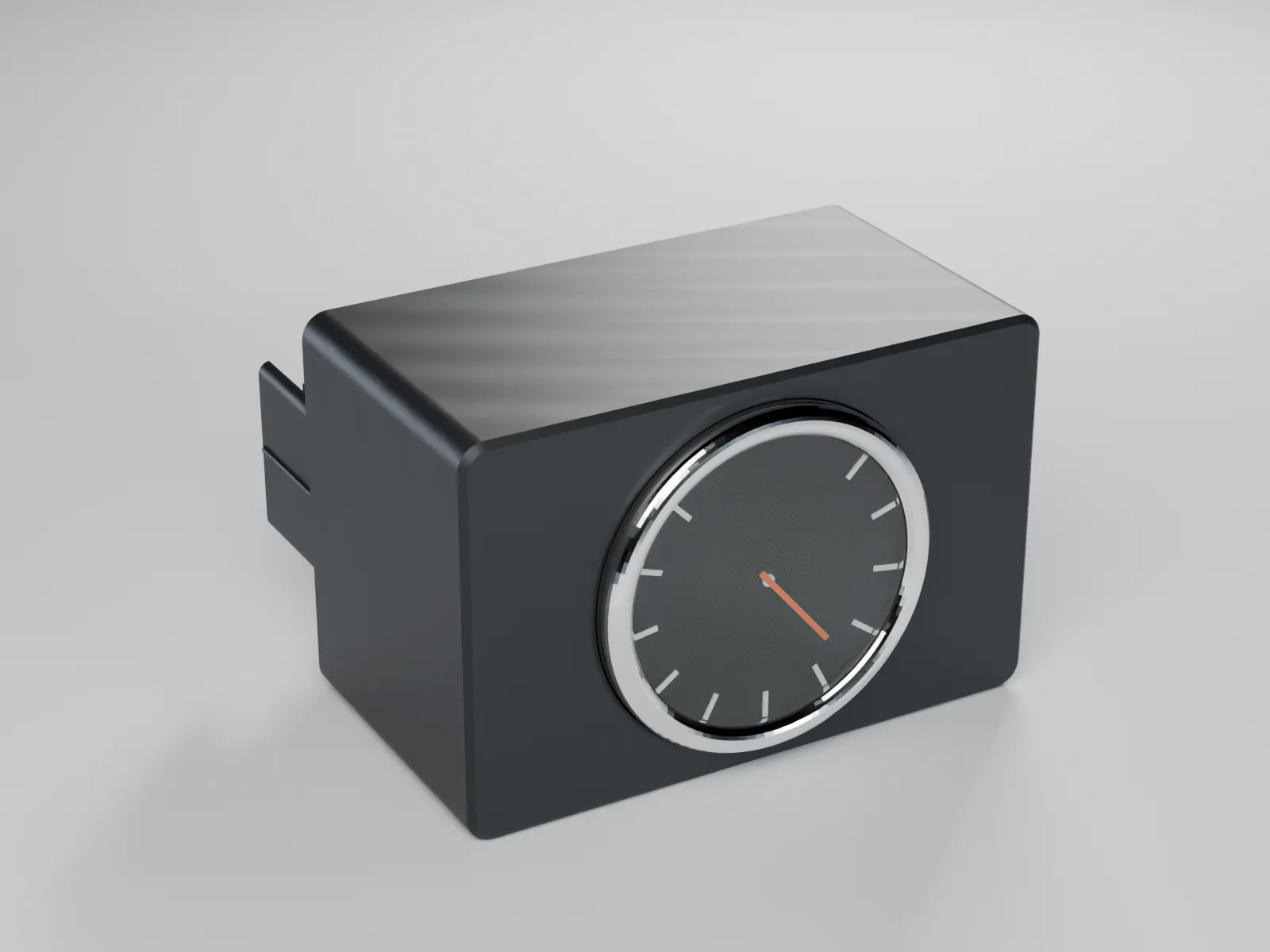
Which material for a gauge pod on the dashboard?
ASA (or ABS). After one hour in the sun a dashboard averages about 69 °C, with peaks up to 89 °C. ASA only softens at around 108 °C and is UV resistant. PETG is only fine in shaded spots like the air vent or centre console; PLA is unsuitable in a car.
- Dashboard, 1 h sun
- avg. about 69 °C, peak about 89 °C (ASU/UCSD study)
- TCS measurement
- 77 °C
- ASA softens
- about 108 °C (glass transition, Stratasys)
- PETG softens
- about 80 °C
- PLA softens
- from about 55–60 °C
Why material matters in a car
A parked car gets very hot inside. According to a study by Arizona State University and UC San Diego, a dashboard reaches about 69 °C on average after one hour in the sun, with peaks up to 89 °C. The Swiss TCS measured 77 °C. A part that softens at these temperatures warps permanently – and the gauge ends up crooked or falls out.
Comparison
| Material | Softens at | UV resistant | Use in a car |
|---|---|---|---|
| ASA | about 108 °C | yes | anywhere, required in the sun |
| ABS | about 100 °C | limited | anywhere, yellows in the sun |
| PETG | about 80 °C | moderate | shade only |
| PLA | about 55–60 °C | no | unsuitable |
Rule of thumb
Anything the sun hits directly is printed in ASA. Mounts in the shade are fine in PETG. PLA does not belong in a car.
Choosing the material for an interior part
- Identify the location: direct sun (top of dash, A-pillar, near the windscreen) or shade (vent, console, footwell).
- Sun: ASA or ABS. Shade: PETG or ASA.
- Never use PLA.
- Print the tolerance test ring in the chosen material and check the fit.
FAQ
Is PETG enough for an air-vent phone mount?
Yes. At the air vent and in the centre console the part sits in the shade; PETG is enough there. ASA is still the more robust choice.
Is ASA hard to print?
ASA needs a heated bed (about 100 °C), ideally an enclosure, and shrinks more than PETG. That is why every file includes a tolerance test ring.
Updated: 31 October 2026